
petrol-price-increase-traffic-public-transport-impact-2026
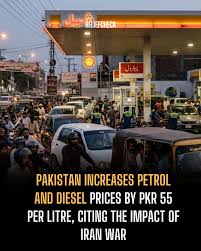
The recent increase in petrol prices is beginning to impact traffic patterns and transportation systems across major cities. As fuel costs continue to rise, transport operators are raising fares while commuters face higher travel expenses.
In many urban areas, bus drivers, rickshaw operators, and ride-sharing services have increased fares to cover the rising fuel costs. Public transport associations say the price hike has made it difficult for drivers to maintain their daily earnings without adjusting fares.
The increase in fuel prices has also influenced traffic behavior. Some commuters are choosing public transport or shared rides instead of driving their personal vehicles to reduce fuel expenses. This shift has led to increased demand for buses and vans during peak hours.
Transport experts warn that rising petrol prices may also affect the prices of goods because delivery trucks and cargo vehicles depend heavily on fuel. If transport costs increase, it could lead to higher prices for food, groceries, and other daily necessities.
Authorities are monitoring the situation and encouraging the use of public transportation to reduce both traffic congestion and fuel consumption. Experts also suggest that better traffic management and alternative energy vehicles could help reduce the impact of rising fuel costs in the future.
Watch Video
Leave Comments
Please login to leave a comment.
Recent News

Newsletter
Subscribe to our mailing list to get the new updates!

Subscribe our newsletter to stay updated
Most Reviews
- March 04, 2026
- Business
Oil Prices Fluctuate as OPEC+…

- March 06, 2026
- Health & Fitness
Global Health Alert: Experts …

- March 05, 2026
- Politics
middle-east-war-us-israel-ira…

- March 06, 2026
- Sports
india-new-zealand-t20-world-c…

- March 09, 2026
- Entertainment
1 Comments
ali
Mar 09, 2026 at 11:08 AMAmazing