
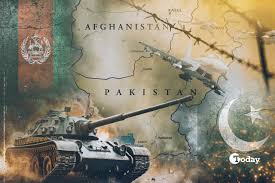
effect-of-war-on-politics-in-pakistan-2026
The ongoing conflicts in the Middle East and neighboring regions have significant implications for Pakistan’s political environment. Political analysts note that regional wars are shaping Pakistan’s foreign policy priorities, security measures, and domestic political discourse.
The government, led by Shehbaz Sharif, has been under pressure to respond to international conflicts while balancing domestic political interests. Parliament sessions have frequently focused on security preparedness, economic impact assessments, and diplomatic relations with key allies.
Political parties have debated the effects of regional instability on Pakistan’s economy, energy security, and refugee management. Analysts point out that foreign policy decisions related to these conflicts are increasingly influencing party politics and shaping electoral narratives.
Moreover, public opinion and media coverage have heightened awareness of Pakistan’s strategic position in a volatile region, prompting calls for strong governance, robust national security policies, and proactive diplomacy to safeguard the country’s interests.
Experts warn that continued regional wars could further polarize political discourse, affect economic stability, and impact Pakistan’s international relationships, highlighting the need for measured political strategies.
Watch Video
Leave Comments
Please login to leave a comment.
Recent News
Newsletter
Subscribe to our mailing list to get the new updates!

Subscribe our newsletter to stay updated
Most Reviews
- March 04, 2026
- Business
Oil Prices Fluctuate as OPEC+…

- March 06, 2026
- Health & Fitness
Global Health Alert: Experts …
- March 06, 2026
- Sports
india-new-zealand-t20-world-c…
- March 05, 2026
- Politics
middle-east-war-us-israel-ira…

- March 09, 2026
- Entertainment
0 Comments
No comments yet. Be the first to comment!